Eartham Woods & Nore Folly

One of the most impressive hidden sites of West Sussex is Nore Folly, a decorative archway near Slindon. It was apparently build as an attractive backdrop to the Countess of Newburgh’s picnics, and is now over 200 years old. This 7km walk takes in the surrounding woodland, and is best experienced in April when the bluebells are in full bloom.

Route length7.3km
Route time2 hours
AccessibilityWide and easy bridleways in much of Eartham Woods, but some paths are narrower. Path to Nore Folly is chalk and flint and not very accessible.
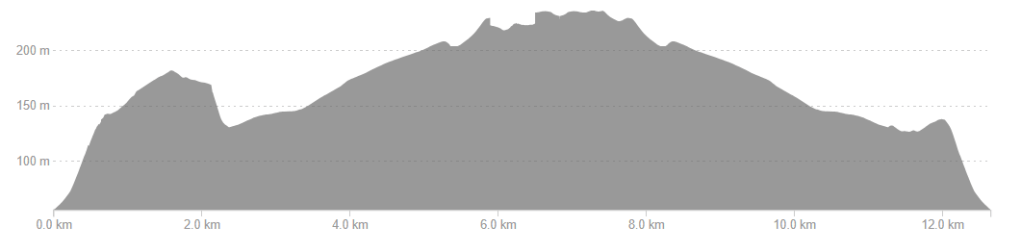
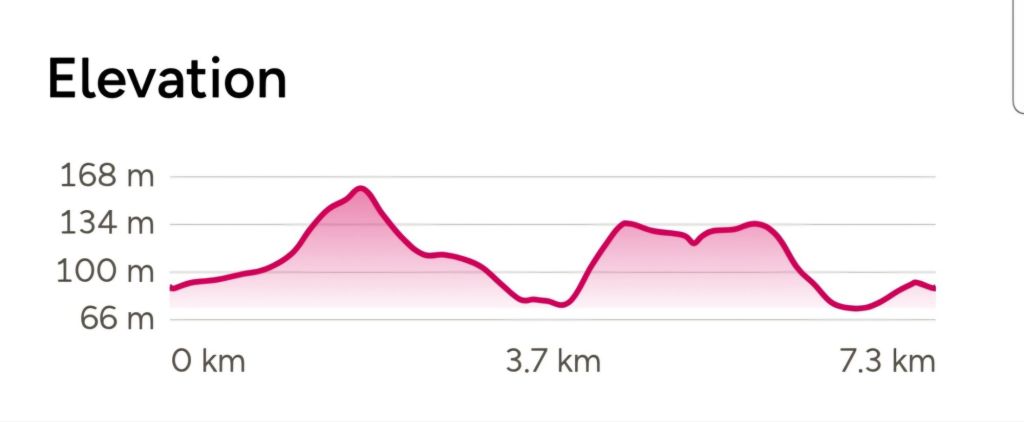
Challenge ratingModerate – easy walking around much of Eartham Woods with some gentle inclines. Path to Nore Folly is short but steeper.
Dogs?Bridleways in the woods are usually quite busy; expect to see horses and keep dogs on leads.

The route starts in Eartham Woods car park (PO18 0LU) which at time of visit was free. There’s a specific parking area here for horse boxes so you may see horses by the entrance. From here, you take in the sights of Eartham Woods. You can follow the route below, or extend your walk further as the many paths of this area criss-cross and intersect.
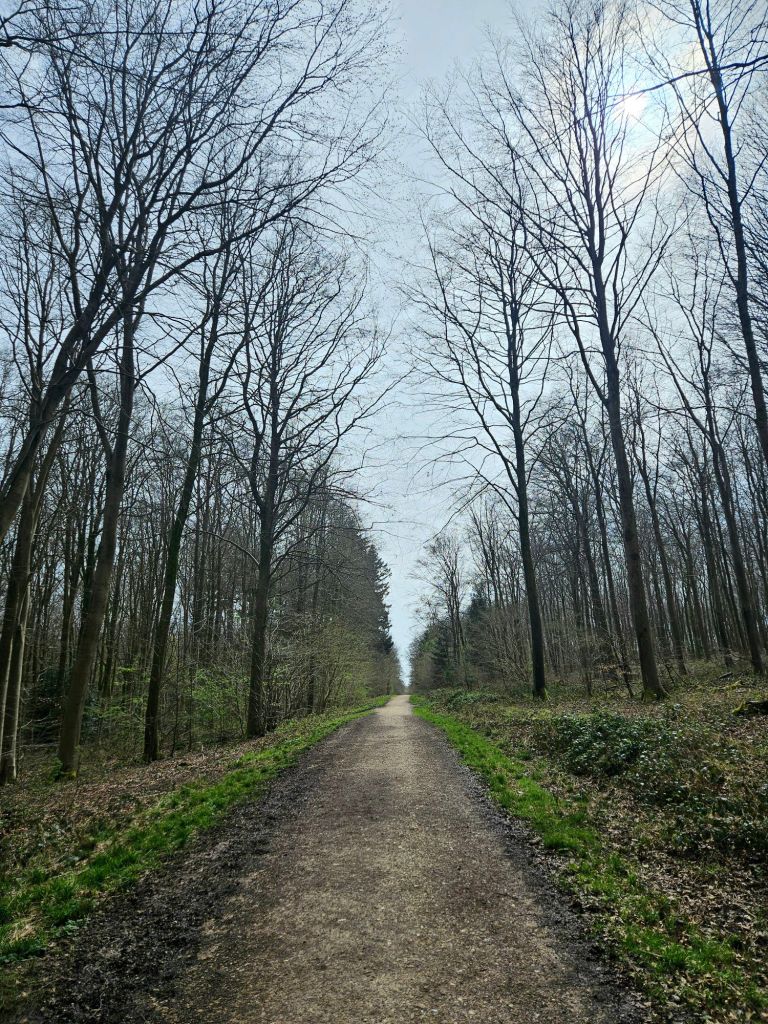
Eartham Woods (early April)

Once you’ve had your fill of the atmospheric woodlands, head south. Through a gate at the south-east point, a chalky path starts to head up as the trees clear to give some lovely views of the South Downs. It gets steep here, and the path is uneven so watch your step!

At the top of this path the trees close in again; you have reached the top of Nore Hill (144m). In late April this is carpeted in bluebells! Follow the westerly most path, which is gravel and well made, around the outside of this small copse for more views across to Slindon.

Path to Nore Folly

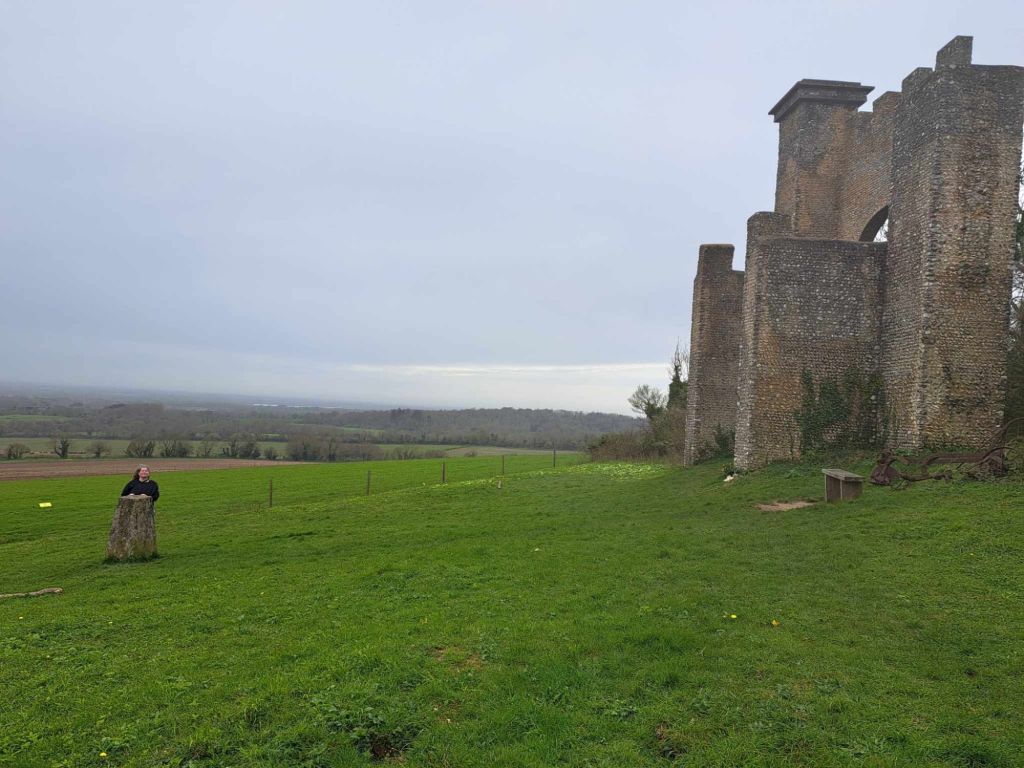
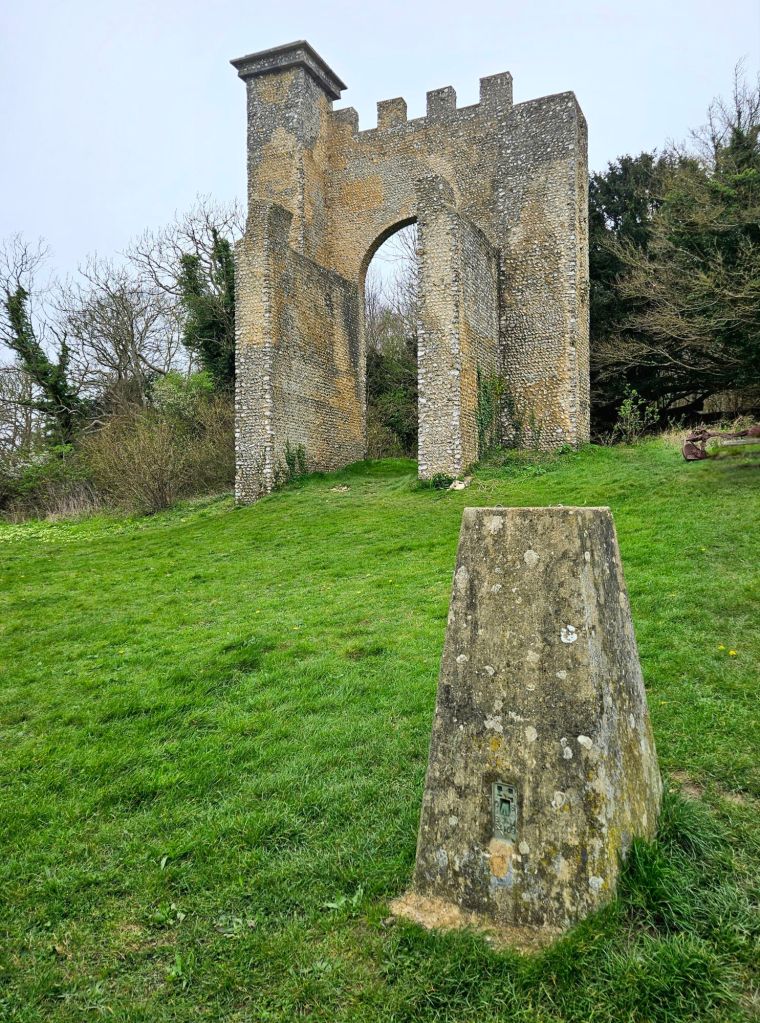
Just around the corner you’ll reach the folly. Here you will see views over to Halnaker windmill (a walk for another day!) and the most unusual location for a trig point.
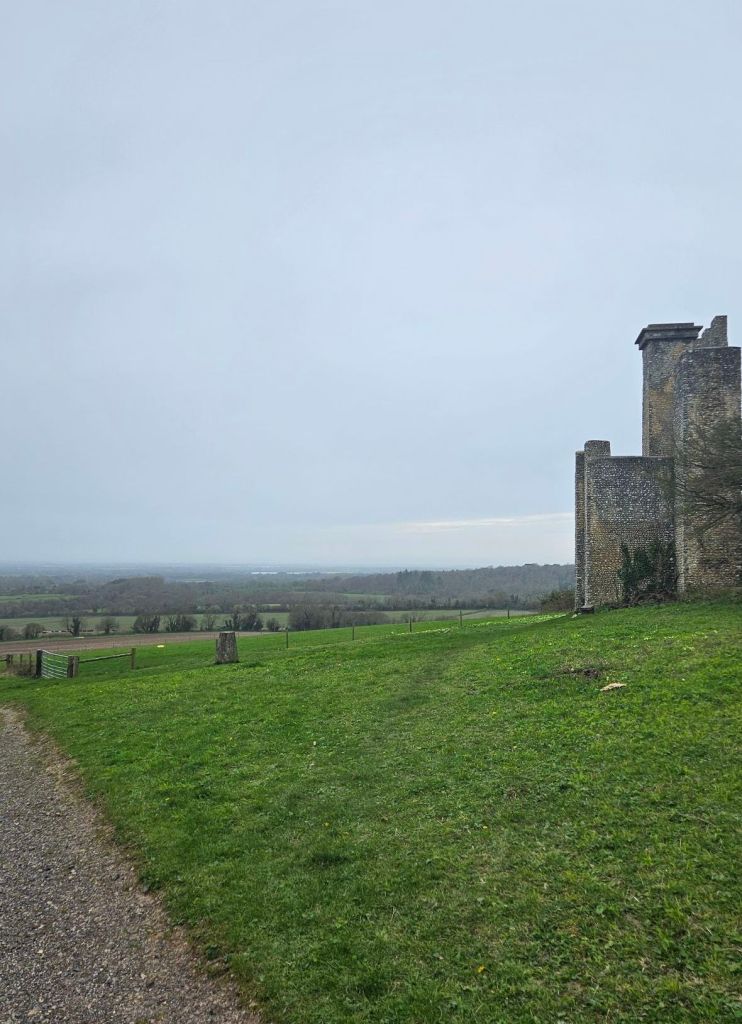
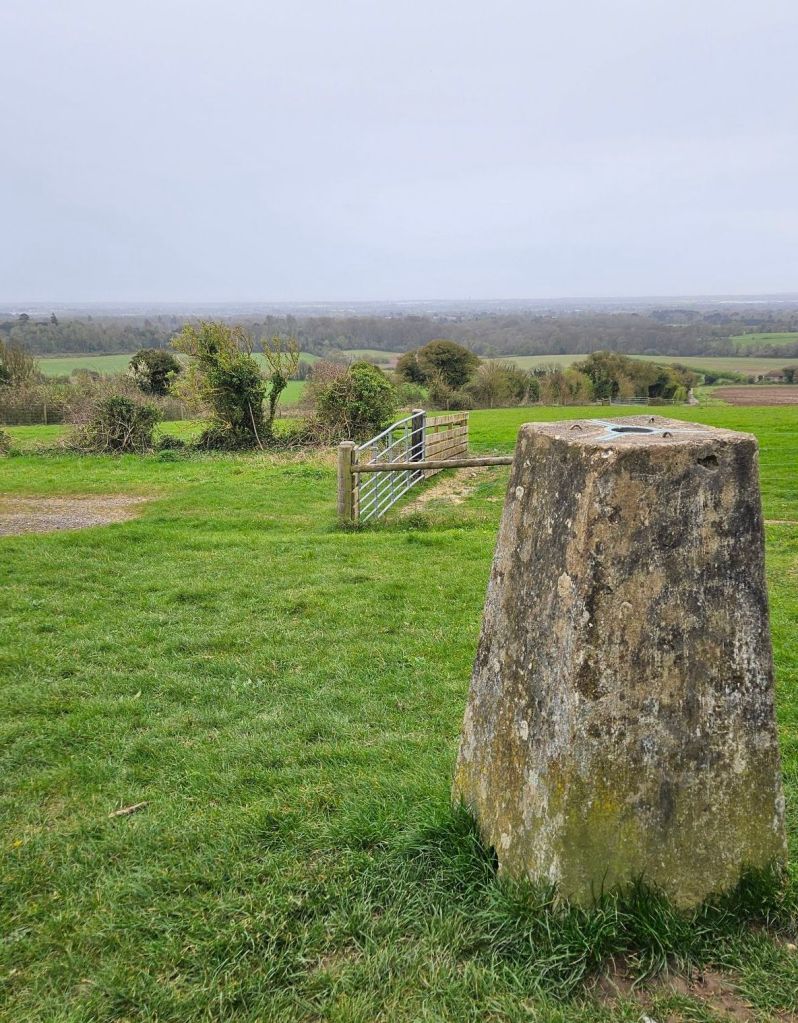
The approach to Nore Folly
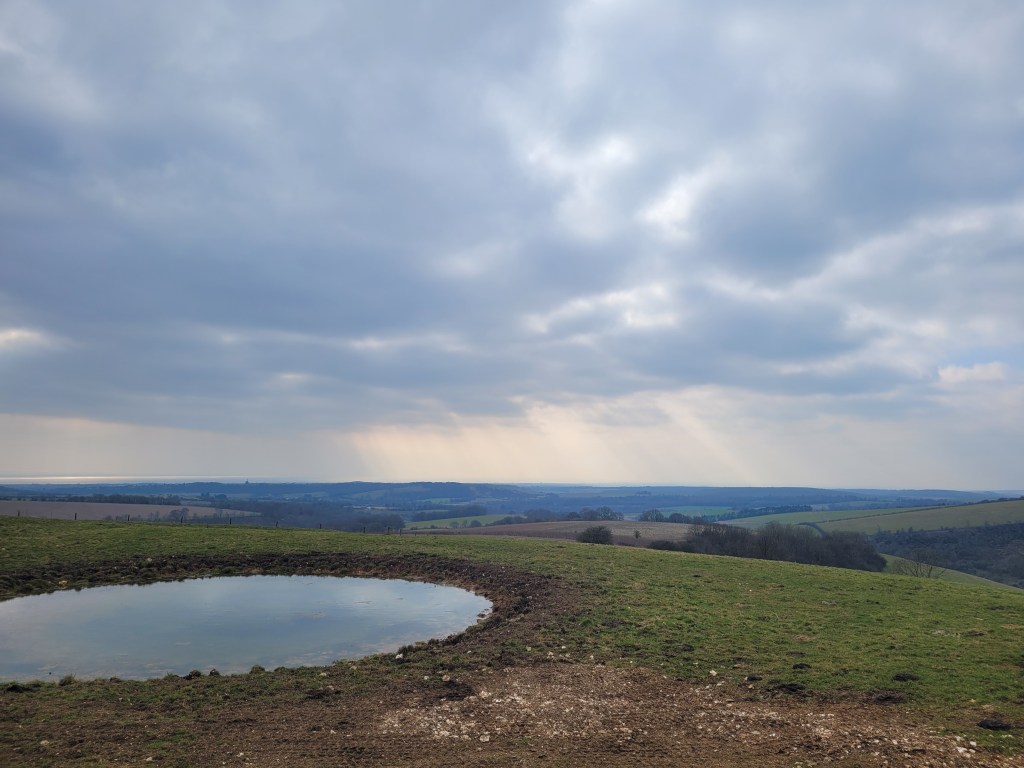
Views of a cloudy day
Nore Folly and the trig point

Her ladyship was right; this is the perfect location for a picnic! There is a bench here for a well-earned rest and to take in the sights from this grade listed structure.

When you’re ready to leave, retrace your steps back to Eartham Woods (the path can be slippery here if it’s wet). Once you pass the gate, head west to return to the carpark, which also has a picnic area if you prefer to take a break here.
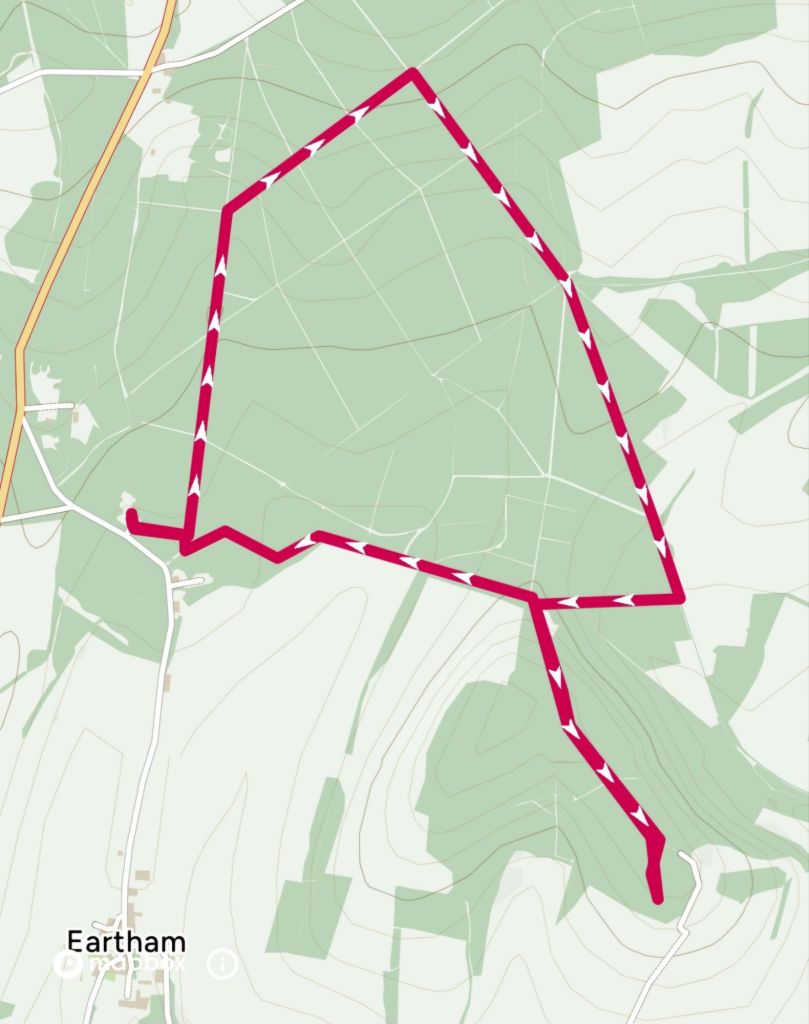
Route map
Elevation

Chanctonbury Ring & Cissbury Ring

I had to open this blog with my favourite spot on the Downs, the mighty Chanctonbury Ring. This 242m high Marylin sits just outside of Washington, West Sussex, had significance for bronze age, iron age and early Roman peoples. The ring of beech trees, first planted in 1760, make this site clearly visible from its exposed ridge across this area of the Downs.

Route length13.5km
Route time3 hours
AccessibilitySome steps access and narrow paths on Cissbury Ring, but all paths leading to and up Chanctonbury Ring are clear and either gravel or tarmac. Exploring the very top of Chanctonbury Ring is off-path.
Challenge rating2/5 – Mild challenge
An initial short but steep walk up to Cissbury Ring, but otherwise gentle and family-friendly.
Dogs?Dog-friendly route, but they must be kept on leads – especially on Cissbury Ring due to roaming horses and other livestock.

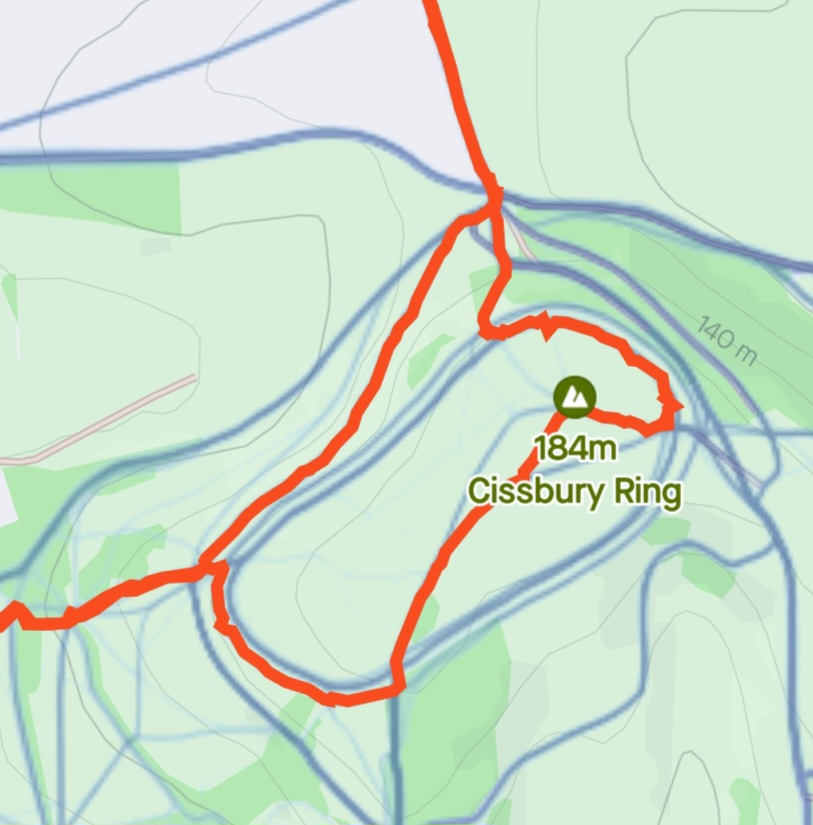
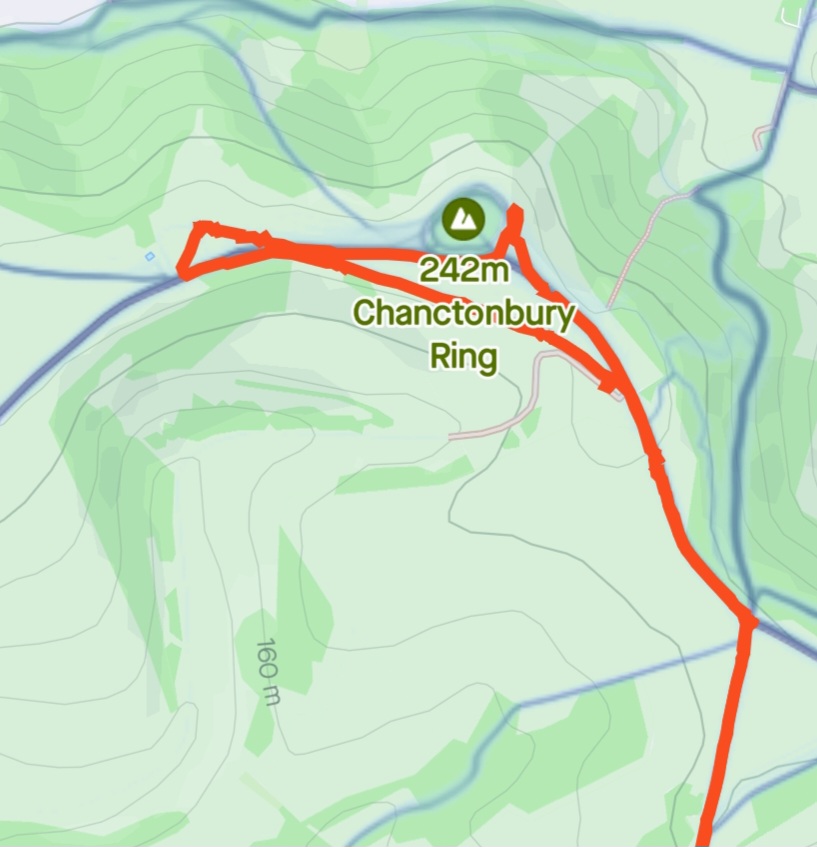
This 13.5km route starts at the larger historical site of Cissbury Ring, and takes a long, gentle walk up to the South Downs Way, taking in views of the south coast. Full map of the route below.

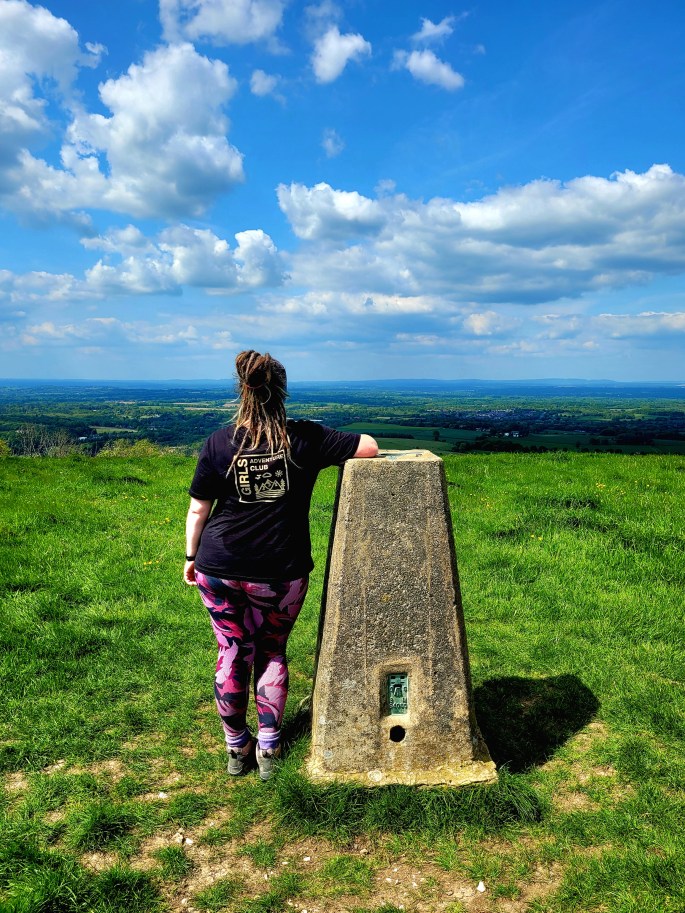
Cissbury Ring trig pillar (TP2184) as seen from the outer pathway.

The starting point is the car park on Long Meadow (BN14 0HU) near Findon. The path up the grassy hillside is steep but clearly visible, and leads into the edges of woodland. There are some rough steps and rocks as you pass under the trees; keep following the path up to reach the hill fort of Cissbury Ring. As the name suggests, this circular monument sits on the top of the hill. Take the anti-clockwise direction to find the trig point, cutting across the centre of the ring.

Head back to the rim of the ring, continuing anti-clockwise until you reach the path heading north down the side of the hill. Here, the path will meet a narrow road and small car park. Cross straight over and continue north up a wide and clear gravel path.

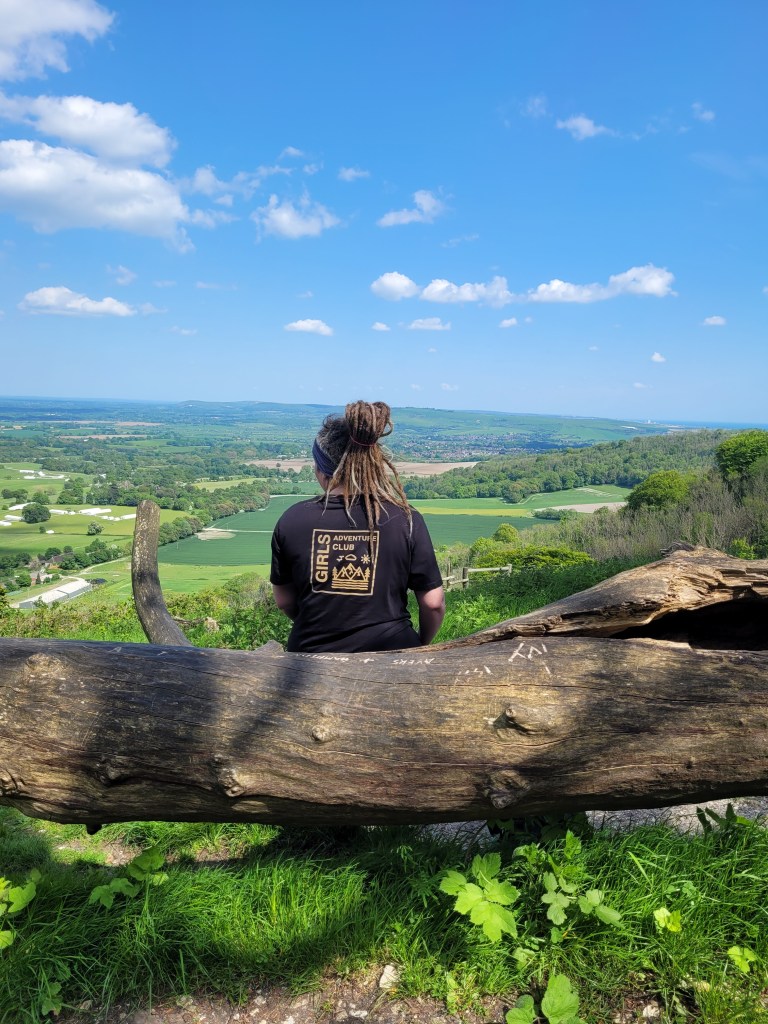
The south coast is just visible in the distance, looking down towards Lancing.

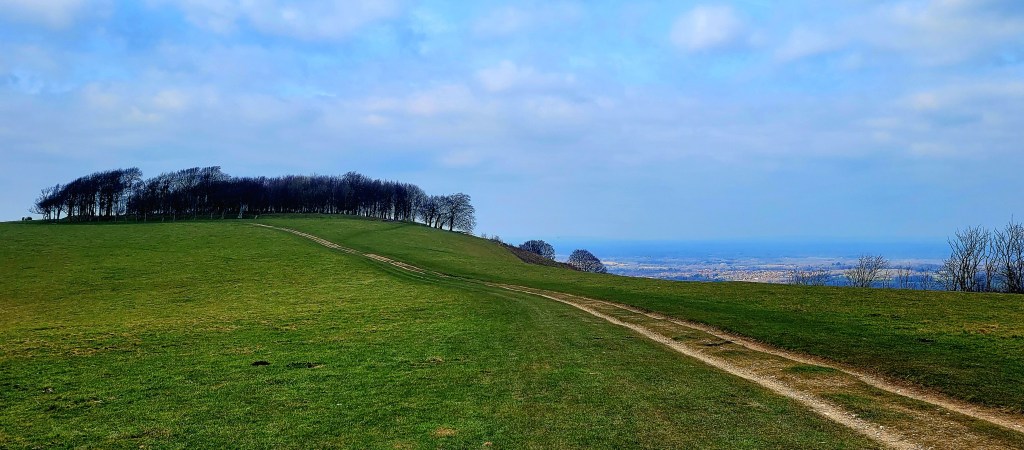
This path is a gentle incline, giving excellent views of the coast (Lancing and Shoreham, and Brighton on clear days), and following this for just over 3km will eventually intersect with the South Downs Way. The obvious ring of beech trees would have been visible from the walk up; go left on the South Downs Way for the last stretch up to the top of Chanctonbury Ring.

The distinctive copse of beech trees at the very top of Chanctonbury Ring

The views from the top of Chanctonbury Ring are impressive from all sides, but the route I took followed the curve of its southern ridge around to the west. This is a perfect spot to see the impressive display of Red Kites gliding on the thermals.

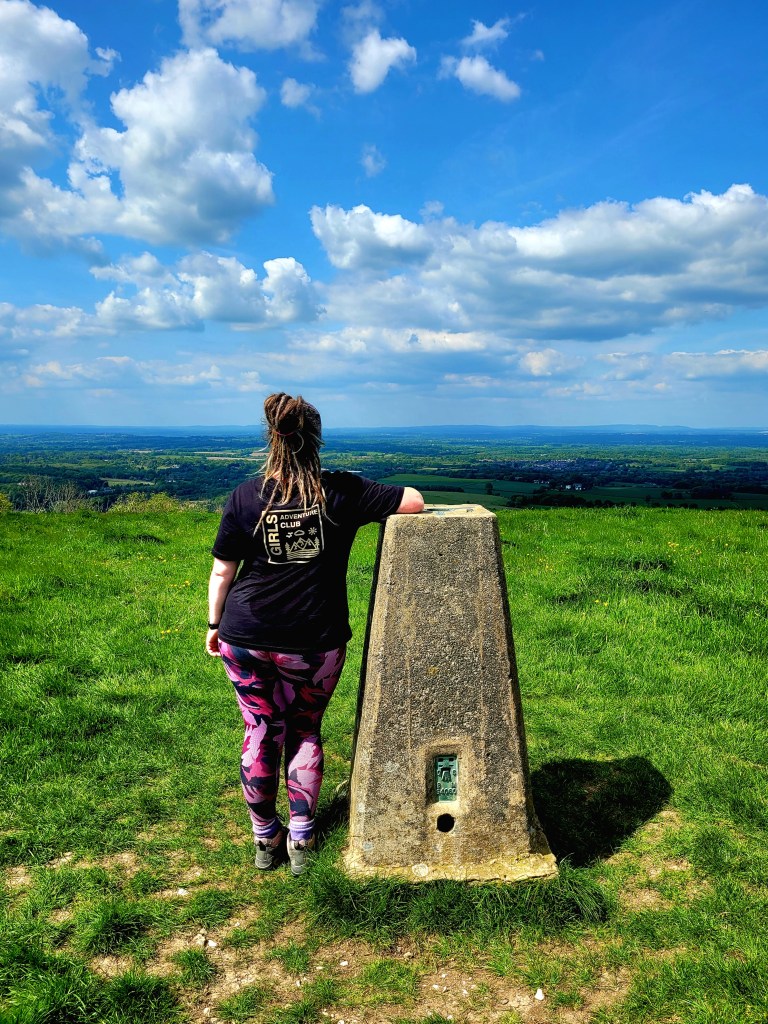
Head north just before the path splits to find the second trig point of this walk, which is where I chose to head back towards the beech trees and explore the area to find the all important view for a brew.

Chanctonbury Ring trig point (TP2110)

When you’re ready, you can explore the South Downs Way, or head back the way you came to Cissbury Ring.

Or, you can test local legend and run around the beech trees seven times. The devil is said to appear and offer you some soup – would you accept?

Full route map, elevation profile and link for the route on Strava below.